
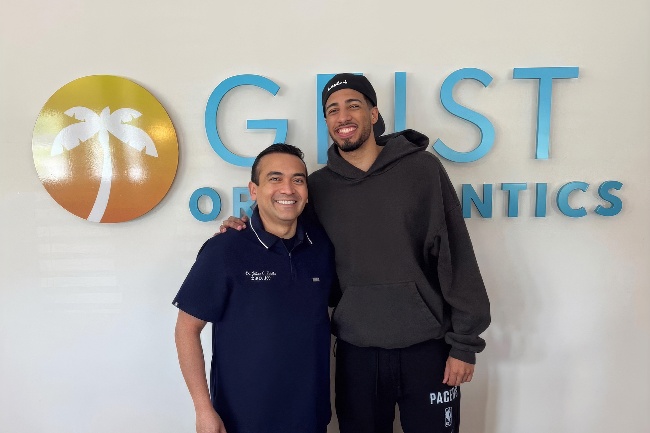
Choosing the right orthodontist is a meaningful decision — whether you’re exploring care for yourself, a teen, or a child. An orthodontist doesn’t just straighten teeth; they help guide facial growth, bite development, and long‑term oral health. In Indianapolis, families have many options, but not all orthodontic care is the same. Modern, personalized smile care focuses on more than just braces or aligners — it emphasizes individualized planning, advanced technology, and a supportive patient experience.
In this guide, we’ll walk through key factors to consider when choosing an orthodontist in Indianapolis, and how to find a provider who can deliver effective, modern, and tailored care for your unique smile goals.
Understand What Orthodontists Do and Why It Matters
Orthodontists are dental specialists who complete additional years of training beyond dental school to focus specifically on tooth movement, bite alignment, jaw growth, and related facial structures. This expertise allows them to diagnose complex alignment issues and create customized treatment plans that optimize both function and aesthetics.
Unlike general dentists who may offer limited orthodontic services, board‑certified orthodontists are trained to manage a full range of cases — from early interceptive care for children to complex bite correction and adult orthodontics. When seeking personalized smile care, choosing a trained specialist helps ensure that your treatment addresses not only how your teeth look, but how they work and fit within your overall oral health.
Look for Advanced Diagnostic and Treatment Technology
Modern orthodontics leans heavily on advanced technology to improve accuracy, efficiency, and comfort throughout the treatment process. When evaluating providers in Indianapolis, consider whether an orthodontist uses up‑to‑date diagnostic tools and treatment platforms.
High‑value technologies include:
- Digital 3D imaging and scanning — Offers precise models without messy impressions and helps plan tooth movement accurately.
- Cone‑beam computed tomography (CBCT) — Provides detailed views of bone structure and airway anatomy when needed.
- Laser‑guided imaging — Enhances treatment planning for complex or multidisciplinary cases.
- Clear aligner systems and digital treatment simulation — Allows patients to preview outcomes and compare options before starting treatment.
An orthodontist who invests in modern technology is often better equipped to diagnose underlying issues, personalize treatment plans, and monitor progress efficiently.
Evaluate the Full Range of Treatment Options
Personalized smile care should include a variety of treatment options that meet different needs, lifestyles, and preferences. While traditional metal braces remain effective for many cases, modern care often includes additional alternatives:
- Clear ceramic braces — Tooth‑colored brackets for a more subtle appearance.
- Lingual braces (hidden behind teeth) — A discreet option without visible hardware.
- Clear aligners — Removable, nearly invisible, and increasingly popular with teens & adults.
- Phase‑based approaches for children — Tailored sequencing for early and comprehensive care.
A good orthodontist will evaluate each case and recommend the most appropriate approach rather than pushing one “one size fits all” solution. Listening to patient preferences — whether aesthetics, comfort, or lifestyle — is part of personalized care.
Assess Communication and Educational Approach
Orthodontic care is a journey that involves decisions over months or years. How an orthodontist communicates — and how much they explain treatment options — matters. Personalized care often begins with patient education: evaluating your concerns, answering questions, and providing clear explanations of what to expect.
When reviewing orthodontists in Indianapolis, pay attention to:
- Clarity during consultations — Do they take time to explain options without rushing?
- Focus on patient concerns — Are your goals and priorities heard and respected?
- Use of visual aids — Digital simulations or before/after images help you understand potential outcomes.
- Open discussion of risks and benefits — Honest education builds informed decisions.
Orthodontists who emphasize patient understanding foster confidence, reduce anxiety, and help people feel genuinely involved in their care.
Consider Comfort, Accessibility, and Office Environment
A positive care experience extends beyond clinical expertise. The environment where treatment takes place — including staff interactions, scheduling flexibility, and overall comfort — influences how patients feel about their orthodontic journey.
Ask yourself:
- Is the office friendly, welcoming, and easy to navigate?
- Does the team respond promptly to questions or scheduling requests?
- Are appointments convenient and times flexible for your lifestyle?
- Does the environment feel supportive for children and adults alike?
Personalized care isn’t just about the treatment itself — it’s about how you’re treated throughout the process.
Look for Reputation, Reviews, and Real‑World Feedback
Online reviews, testimonials, and word‑of‑mouth recommendations can offer valuable insight into an orthodontist’s practice culture and patient satisfaction. Experiences shared by other Indianapolis residents may highlight strengths that matter to you — such as gentle care for kids, clear communication, or exceptional follow‑up support.
When exploring reviews, consider:
- Consistency in positive feedback
- Mentions of specific orthodontists by name
- Descriptions of comfort, outcomes, or office experience
- Any concerns about responsiveness or results
Reviews aren’t the only factor, but they add context to what real patients value about a provider.
Check Credentials and Professional Affiliations
Orthodontic care quality often correlates with specialized training and ongoing professional development. Make sure the orthodontist you’re considering:
- Has completed accredited orthodontic residency training
- Is board‑certified or maintains membership in professional organizations
- Engages in continuing education to stay current with evolving techniques
Credentials add credibility, but they are most meaningful when paired with strong patient reviews and personalized care.
Evaluate Long‑Term Support and Post‑Treatment Care
Personalized smile care doesn’t end when braces or aligners come off. Retention and long‑term monitoring are essential for sustaining results. Ask potential providers about:
- Their retainer protocols and follow‑up schedule
- Support for adjustments or refinements if needed
- Communication channels for post‑treatment questions
An orthodontist who plans for long‑term stability helps ensure your results last, reducing the risk of relapse or future issues.
Why Geist Orthodontics?
If you’re ready to find an orthodontist who combines modern expertise with personalized care, Geist Orthodontics is here to help. Led by experienced doctors dedicated to advancing smile outcomes, our practice integrates advanced technology, customized treatment planning, and clear communication to help every patient achieve results that look great and support long‑term oral health.
Whether you’re considering braces, clear aligners, or early orthodontic evaluation for a child, our team is committed to understanding your goals and delivering care tailored to your unique smile.
Schedule a consultation today to explore your options and take the first step toward a healthier, more confident smile.